Churches in Florence
Florence, like many Italian cities, is filled with churches. But as the cradle of the Renaissance, it was specifically for many of these churches and family chapels that magnificent works of art were commissioned of the greatest artists of all time. Therefore, in order to see many of these masterpieces it is necessary to visit at least a few churches. We recommend you visit some of the following churches in Florence.
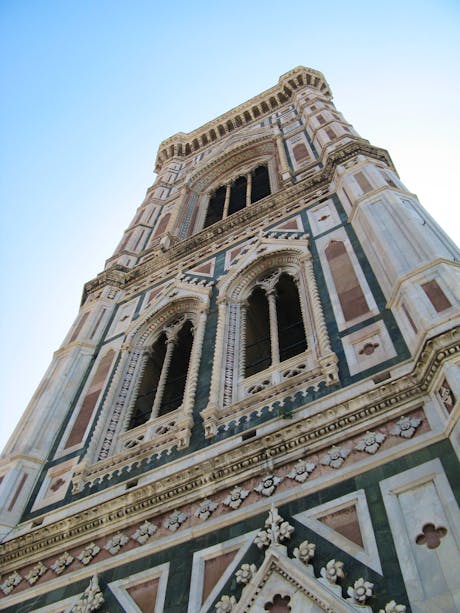
Duomo
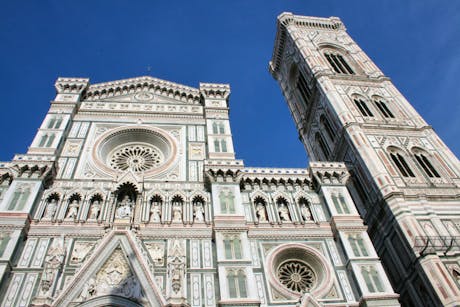
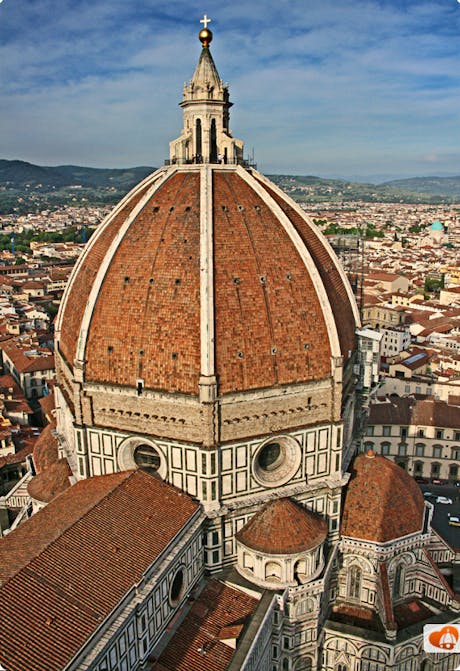
This famous cathedral dome dominates the skyline of Florence, with its eight white ribs against a background of terracotta tiles. Close up it is so huge as to be quite overwhelming.
San Marco
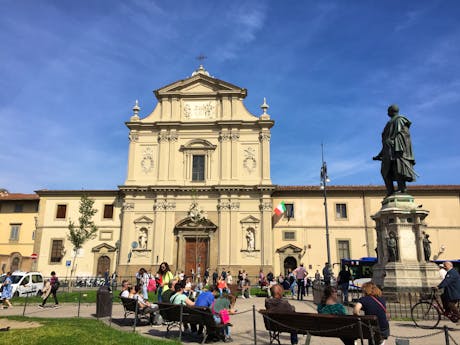
Founded by the Silvestrine monks in the 13th century, San Marco became the home of the Dominican monks of Fiesole in 1437 following Cosimo il Vecchio's wishes.
Santa Maria Novella
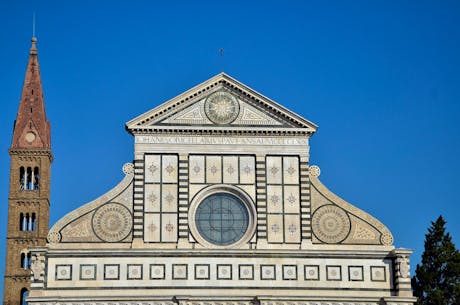
The decorative marble facade of Tuscany's most important Gothic church incorporates billowing sails (emblem of Alberti's patron Giovanni Rucellai) and ostrich feathers (emblem of the Medici). The church houses immense artistic treasures, donated by numerous wealthy patrons, many of whom have chapels named after them.
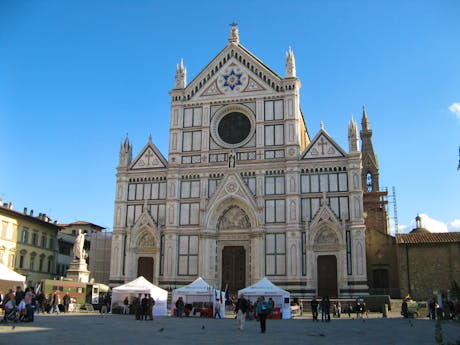
Santa Croce
Despite the vast size and the swarms of tourists who flock here, the Franciscan church of Santa Croce is a touchingly intimate place, perhaps because of the sense that once somehow knows the people buried here.
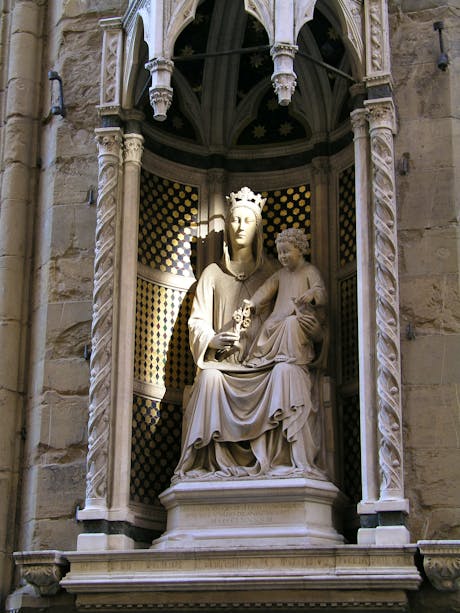
Orsanmichele
Orsanmichele reminds us strongly of the presence and importance of the guilds in Florence in shaping its history. It is their emblems and patron saints that adorn the exterior of the building.
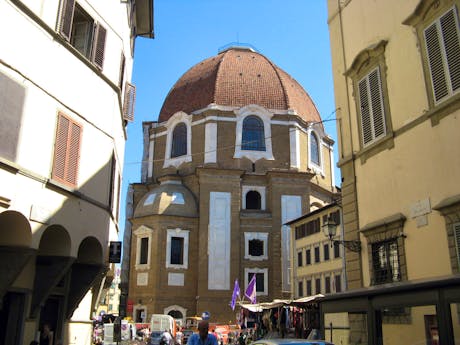
San Lorenzo
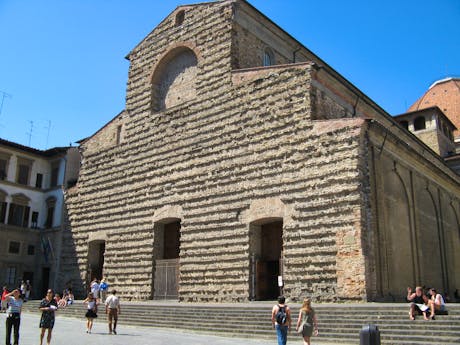
San Lorenzo is above all the parish church for the Medici family, and together with the Cappelle Medicee, it forms a monument to their artistic patronage and dynastic grandeur in Florence.
Medici Chapels
Mausoleum of the Medici family, the Medici Chapels are a monument to the family’s artistic patronage and grandeur in Florence.
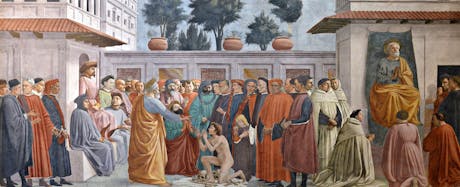
Cappella Brancacci
The thrill of viewing the frescoes at Cappella Brancacci is the sensation of viewing the beginning of the Renaissance, observing in Masaccio's work the same power of expression and technical brillance that inspired Florentine painters of the 15th century.